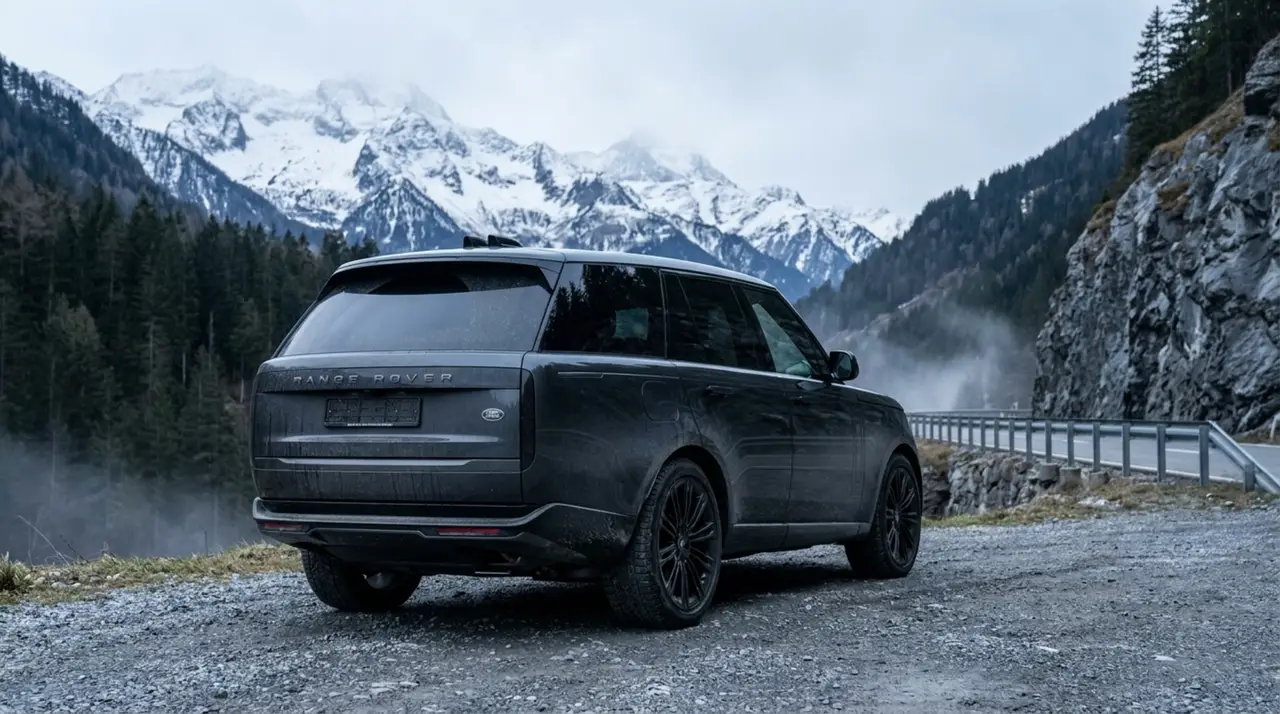
3 Cars for 3 Routes: Chianti, Siena & Pisa from Florence
Matching the car to the route in Florence means choosing a convertible, SUV or sedan by road type, not habit. Here is how to pick correctly for Chianti, Siena and Pisa arrivals.
Matching the car to the route in Florence is less about brand preference and more about the road ahead. A convertible that feels right on the SS222 through Greve and Panzano can feel out of place on the flat autostrada toward Pisa, and an SUV built for Siena's longer runs is overkill for a short Lungarno hotel transfer. The right choice depends on distance, road surface, arrival point and how many people and bags are travelling.
Why the Route Decides the Car
A day trip into Chianti Classico rarely resembles a transfer from Florence Airport (FLR). The SS222 between Greve in Chianti, Panzano and Castellina winds through vineyard gates and narrow village lanes, rewarding a car that feels alive on tight curves. Siena and San Gimignano sit further out, reached via the FI-SI highway then secondary roads such as the SR2 — a longer, steadier drive where ride comfort and boot space matter more than agility. Arrivals from FLR or Pisa Airport into a Lungarno hotel are a different exercise again: predictable roads, luggage, and a need to arrive composed rather than windswept.
Thinking in terms of route first, car second, avoids the common mistake of booking a showpiece for a day that actually calls for comfort, or a family SUV for a short scenic loop that deserves something lower and sharper.
Which Car Suits Which Tuscan Route
- Chianti wine roads (SS222, Greve, Panzano, Castellina): a convertible or GT with confident steering handles the 40–60 km loop well, and the roof-down option suits vineyard stops and photography. - Siena and San Gimignano day trips (55–75 km via FI-SI and SR2): a comfortable SUV manages the distance and gives easy access to parking areas outside the town walls, where the ZTL rules apply inside centro storico. - Pisa or Lucca combined days (A11 west, flat autostrada): an executive sedan or family SUV suits the straightforward motorway stretch and the walking-heavy stops at Lucca's walls and the Pisa tower. - FLR or Pisa Airport arrivals into a Lungarno hotel: a sedan keeps the ride calm after a flight, with enough boot capacity for luggage. - Fiesole sunset run (8 km climb from central Florence): a convertible or compact GT fits the narrow road better than a larger SUV. - Versilia coast trips (A11 then A12 toward Viareggio and Forte dei Marmi): a comfortable SUV or GT covers the 100 km distance without fatigue.
For the full range by body type, browse our [fleet in Florence](#) before settling on dates.
Handover Points That Skip the ZTL
Florence's historic centre is a camera-enforced ZTL, so handover is arranged at Florence Airport, the garages near Santa Maria Novella, or a suburban hotel rather than inside centro storico. Pisa arrivals involve a longer transfer into Florence, and that drive is factored into the day's plan rather than treated as an afterthought. Lungarno hotels — the Lungarno Collection, St. Regis and Four Seasons among them — receive vehicles by valet or kerbside delivery, timed around the narrow one-way streets nearby. Underground garages near Santa Maria Novella and the Fortezza da Basso are the realistic parking answer in the centre; street parking is scarce and the Duomo area is not a parking option.
Deposits, Insurance and Return Planning
A security deposit and an insurance briefing are set at handover, along with expectations for fuel level on return, so there are no surprises at the end of a Chianti afternoon or a Siena day trip. Clients are talked through what the deposit covers and when it is released, plus the difference between self-drive and chauffeur-supported days. This clarity matters more on multi-day or cross-border plans, where return timing and mileage expectations need to be agreed before departure rather than negotiated afterward. See our [Florence driving guide](#) for a broader look at planning a multi-stop week.
Local Guidance Before You Set Off
Before the keys change hands, local drivers talk clients through the specific road they are about to drive — whether that is Fiesole's narrow climb at sunset, the SS222's blind bends near Panzano, or the flat, faster autostrada toward Lucca and Pisa. This briefing covers surface conditions, typical traffic patterns and where to expect slower village stretches, so the car chosen for the day actually matches the driving experience ahead.
Plan your drive
A Tuscan itinerary rarely stays on one type of road for long, and the car that suits a Chianti wine afternoon is not always the one suited to a Siena day trip or a Pisa arrival. Working backward from the actual route — distance, road surface, arrival point — makes the choice of convertible, SUV or sedan straightforward rather than guesswork.